
Asphalt Paving vs. Concrete: Choosing the Right Surface
People searching for asphalt paving can find local contractors who help choose and install the best surface for durability, appearance, and your specific needs.
Deciding between asphalt paving and concrete for a property’s surface can be a significant choice for property owners seeking durability, aesthetics, and functionality. Whether planning a driveway, parking lot, or walkway, understanding the differences can help ensure the surface meets long-term needs. Property owners in the area exploring this topic are often looking for practical insights that can guide their decision-making process, and learning about how local contractors approach these materials can provide valuable clarity. This page offers helpful comparisons to aid in making an informed choice, connecting readers with local service providers experienced in asphalt paving and concrete work.
Asphalt paving services offered by local contractors are often highlighted for their quick installation and flexibility, making them suitable for various projects. Meanwhile, concrete surfaces are known for their strength and longevity, which can be ideal for high-traffic areas. Exploring the benefits and considerations of each option can help property owners weigh their priorities effectively. Continuing to read can reveal how local pros can assist in choosing and installing the right surface, ensuring the finished project aligns with the specific needs of the property.
- Driveway Installation - homeowners considering asphalt paving vs. concrete for driveways often seek local contractors to evaluate durability and maintenance needs.
- Parking Lot Paving - business property owners needing large-scale surfaces typically turn to local service providers for cost-effective asphalt options.
- Roadway Repaving - municipalities or developers requiring smooth, long-lasting roads may work with local pros experienced in asphalt surface renewal.
- Pathway and Sidewalk Paving - property managers looking for quick installation and minimal disruption often choose asphalt paving through local contractors.
- Repairs and Resurfacing - property owners needing to restore or upgrade existing asphalt surfaces often contact local pros for efficient repair solutions.
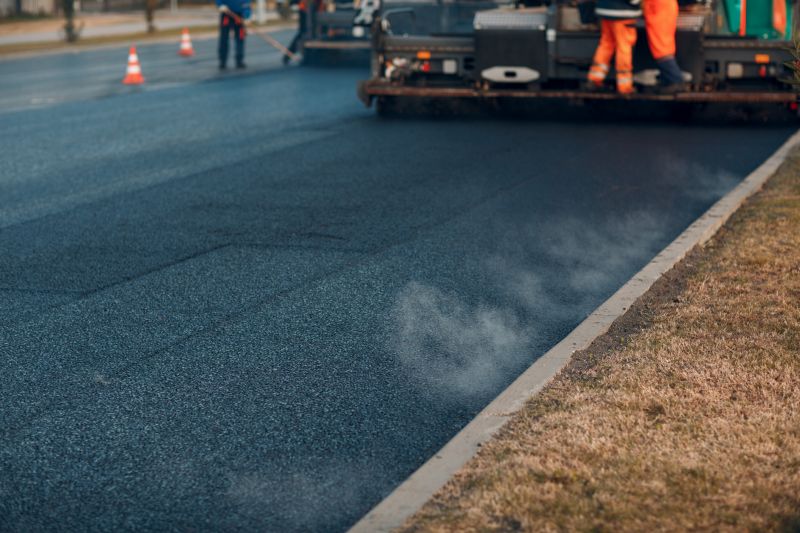
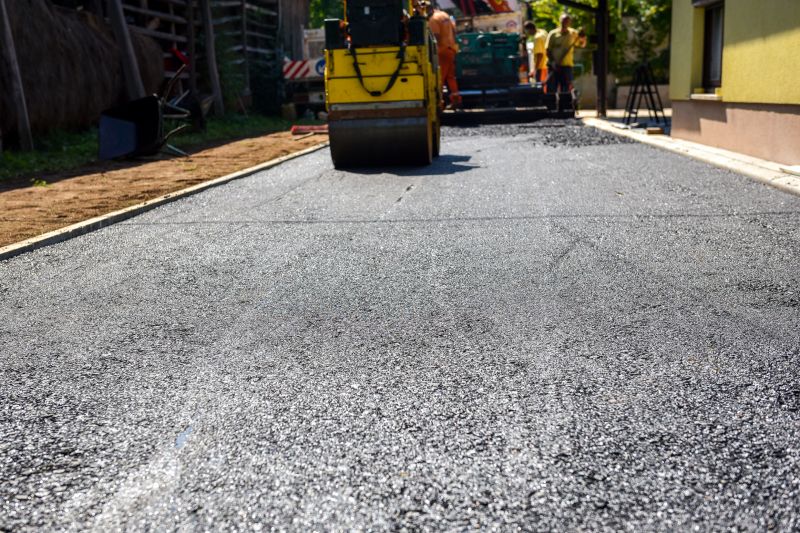
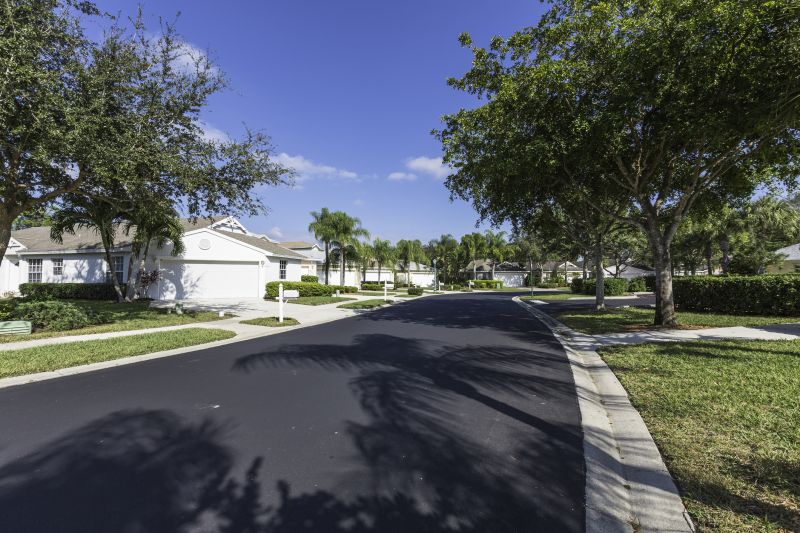
When homeowners search for information about asphalt paving vs. concrete: choosing the right surface, they are often trying to understand which material best suits their specific project needs. This topic typically arises when planning to pave driveways, walkways, or parking areas. People want to know about the differences in durability, appearance, and maintenance requirements to make an informed decision. The goal is to select a surface that not only matches the property's aesthetic but also withstands daily use and weather conditions over time.
Many property owners encounter challenges when deciding between asphalt and concrete because each material offers distinct advantages and drawbacks. For example, asphalt tends to be more flexible and easier to repair, making it suitable for driveways that experience heavy traffic or temperature fluctuations. Concrete, on the other hand, is known for its longevity and low maintenance, which appeals to those seeking a more permanent solution. These considerations are especially relevant for residential properties with limited space or commercial sites requiring durable, high-traffic surfaces.
The types of properties that often come into play include single-family homes, apartment complexes, retail storefronts, and small business parking lots. Residential driveways are a common project where homeowners weigh visual appeal against long-term performance. Commercial properties, such as parking lots or service areas, may prioritize durability and ease of repair. Additionally, properties in climates with extreme temperature changes or frequent rainfall may influence the choice, as each surface material reacts differently to weather conditions. Local contractors experienced in asphalt paving or concrete work can provide guidance tailored to these specific property types and environmental factors.
Understanding the differences between asphalt paving and concrete is essential for property owners planning new installations or replacements. Local service providers specializing in paving can help evaluate the property's unique needs, considering factors like traffic volume, climate, and aesthetic preferences. They can also recommend the most suitable surface material based on practical considerations, ensuring the project aligns with the property's long-term use. Connecting with experienced contractors allows homeowners and property managers to make informed choices and achieve a durable, functional surface that complements their property’s requirements.
Driveway installation - local contractors specializing in driveway paving can help determine whether asphalt or concrete best suits specific needs and preferences.
Parking lot paving - professionals experienced in large-scale paving projects understand the differences in durability and maintenance for asphalt versus concrete surfaces.
Sidewalk and walkway construction - planning and building durable walkways requires knowledge of surface materials, which local service providers can advise on based on project goals.
Patio and outdoor surface projects - choosing between asphalt and concrete for outdoor spaces involves understanding material suitability, a service local pros can provide.
Industrial paving services - local contractors with experience in industrial surfaces can help select the appropriate material for heavy traffic and load requirements.
Repaving and surface restoration - experienced paving professionals can assess existing surfaces and recommend whether asphalt or concrete is the better option for renewal projects.
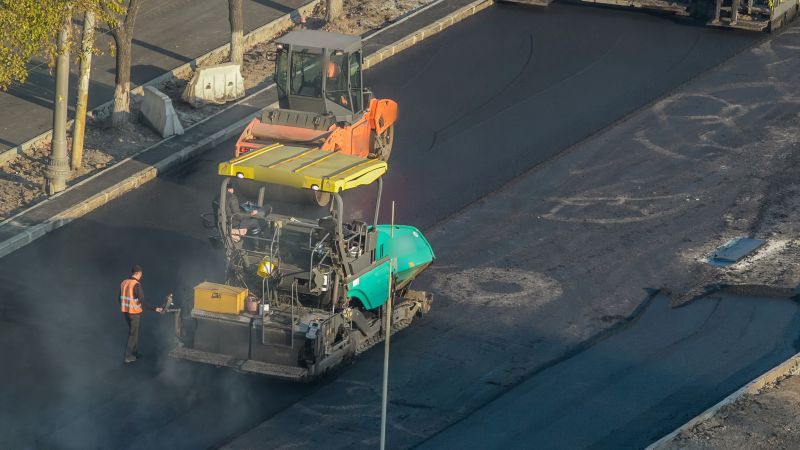
When comparing asphalt paving versus concrete for a home project, it is important to evaluate the experience of potential service providers with similar types of work. Homeowners should inquire about the contractors' history handling projects like driveways, walkways, or parking areas that match the scope and scale of their own needs. A contractor with a proven track record in asphalt paving or concrete installation can offer insights into best practices, materials, and techniques that ensure a durable and visually appealing surface. Reputable local contractors often provide references or examples of past projects, which can help homeowners assess the quality of workmanship and determine if the contractor’s experience aligns with their project goals.
Clear written expectations are essential when choosing between asphalt paving and concrete services. Homeowners should seek detailed proposals that outline the scope of work, materials to be used, and specific responsibilities of the contractor. This documentation helps prevent misunderstandings and ensures everyone is on the same page regarding project outcomes. Additionally, understanding how the contractor plans to address surface preparation, drainage, and finishing details can influence the decision-making process. Service providers who communicate their approach transparently and provide comprehensive written estimates demonstrate professionalism and a commitment to clarity, making it easier for homeowners to compare options and make informed choices.
Effective communication is a key factor when selecting local contractors for asphalt paving or concrete work. Homeowners benefit from service providers who are responsive, willing to answer questions, and able to explain technical aspects in understandable terms. Good communication fosters trust and helps clarify project expectations from start to finish. It is also helpful to consider how well a contractor listens to homeowner preferences and offers guidance based on their experience. Contractors who prioritize clear and ongoing communication are more likely to deliver a smooth project experience, whether installing asphalt paving or concrete surfaces, and help homeowners feel confident in their decision-making process.
Property owners often search for asphalt paving vs. concrete: choosing the right surface when they are planning practical projects around their homes and businesses. Local pros provide Asphalt Paving services for everyday jobs and straightforward project options.
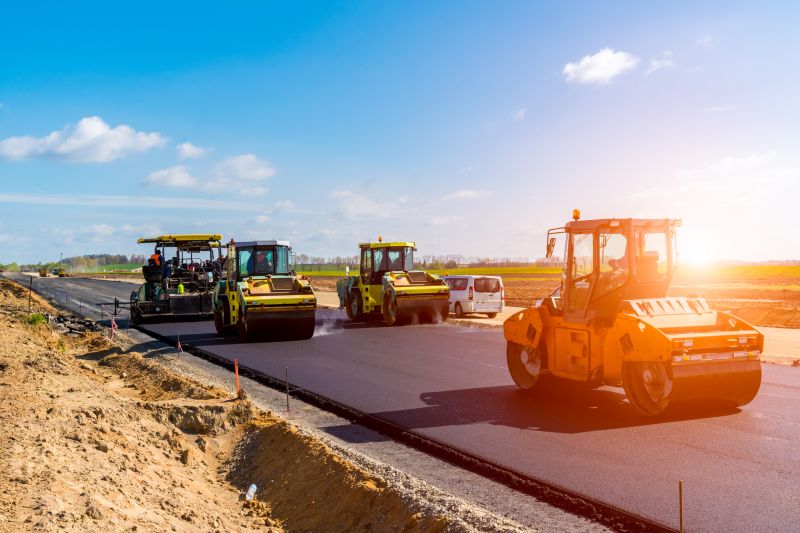
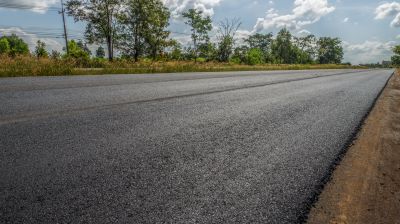
When considering driveway or parking lot projects, property owners often explore the differences between asphalt paving and concrete to determine which surface best suits their needs. Asphalt paving is known for its quick installation process and smooth finish, making it a popular choice for those seeking a cost-effective and durable surface that can handle heavy traffic. Conversely, concrete offers a longer lifespan and requires less frequent repairs, which might appeal to property owners looking for a low-maintenance solution that withstands the test of time. Local contractors can provide guidance on which material aligns with the specific demands of a project, whether it's a residential driveway or a commercial parking area.
Many property owners in the area look up this topic to understand the practical advantages and limitations of each material. Asphalt paving services from local service providers are often sought after for their ability to deliver a flexible, quick-to-install surface suitable for busy areas. Concrete services, on the other hand, are chosen for projects where strength and longevity are priorities. By connecting with local contractors experienced in both materials, property owners can get tailored advice on the best surface option for their project, ensuring the finished result meets their expectations for durability and appearance.
What are the main differences between asphalt paving and concrete surfaces? Asphalt paving typically offers a smoother finish and quicker installation, while concrete provides a more durable surface that can last longer with less maintenance. Local contractors can help determine which material suits specific needs based on usage and environment.
Which surface is better for driveways that experience heavy traffic? Concrete is generally more resistant to heavy loads and frequent use, making it suitable for high-traffic driveways. Local service providers can assess the specific conditions to recommend the best option.
How do climate conditions affect the choice between asphalt paving and concrete? Asphalt tends to perform well in colder climates due to its flexibility, while concrete may be more susceptible to cracking in freeze-thaw cycles. Local contractors understand regional weather impacts and can advise accordingly.
What maintenance considerations are associated with asphalt paving versus concrete surfaces? Asphalt requires periodic sealing and repairs for cracks, whereas concrete may need joint sealing and crack filling. Local pros can provide guidance on ongoing maintenance needs for each surface type.
How do aesthetic preferences influence the decision between asphalt paving and concrete? Concrete offers more options for coloring and decorative finishes, while asphalt provides a uniform black surface. Local contractors can help explore customization options to match aesthetic goals.
Assessing durability needs - property owners can work with local contractors to determine whether asphalt paving or concrete best withstands foot traffic, vehicles, and weather conditions for their specific project.
Considering maintenance requirements - choosing between asphalt and concrete involves understanding how each surface type ages and what upkeep is needed, which local pros can advise on.
Matching aesthetic preferences - property owners can explore how asphalt paving’s traditional look compares to concrete’s versatility in style, with local service providers offering guidance on design options.
Evaluating project scope - for large driveways or parking areas, local contractors can help decide which surface type offers better long-term performance and suitability for the space.
If you are thinking about asphalt paving vs. concrete: choosing the right surface for a property, this guide is meant to help you understand this topic, the typical project types, and how different options might fit your plans.
When you are ready, you can use the quote form on this page to share a few details about your project. From there, local pros can review the basics and follow up with options that match what you have in mind.